- Use the 10:2 method. For every 10 minutes of instruction allow the students 2 minutes to process and respond to the instruction. This can be done in various ways by having them write what they have learned, questions they may have, or by discussing the content with a fellow student.
- Incorporate movement into your lessons. Require students to respond to a question by moving to a certain spot in the room, writing on whiteboards, or standing (or sitting) when they are done thinking about the question, etc.
- Pick up the pace. One misconception is that we must go slow for students to really understand and engage in a lesson. There is a lot of evidence that shows that when teaching is at a brisk instructional pace, students have more opportunities to engage, respond, and move on to the next concept (Carnine & Fink, 1978; Williams, 1993; Ernsbarger et al., 2001).
- Provide frequent and effective feedback.
- Allow students 5-7 seconds of ‘think time’ when asking a question. At the end of the time draw a random name to answer the question.
- At the end of a lesson have students use the 3-2-1 method of summarizing by having students record three things they learned, two interesting things, and one question they have about what was taught. Allow time to share their findings with a peer.
- Periodically pause mid-sentence when teaching requiring students to fill in the blanks
Saturday, September 6, 2014
7 Tips for Improving Student Engagement

Tuesday, August 5, 2014
Pivot on Self-Interest and Learning

Alright, then perhaps a more reasonable goal might be, how can we pivot in our work to use our students' very normal degree of self-involvement to help us achieve academic goals?
Self-Help & Learning Skills
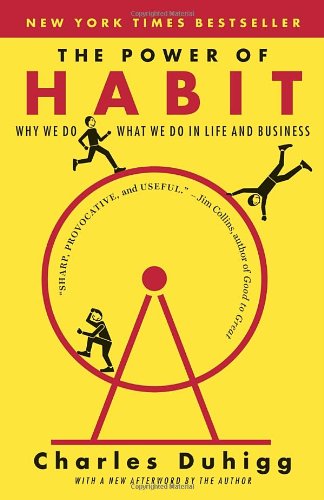
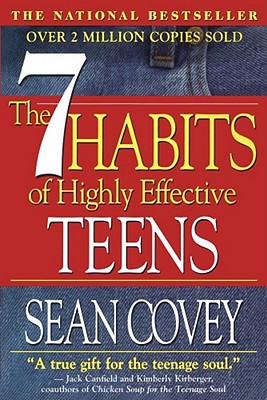
The self-help industry pulls billions of dollars from people seeking to achieve personal goals. Lets challenge our students to consider the learning skills and work habits we expect from them as opportunities for personal growth. We can use our students self-interest as the prompt for a research project: "Think about how one of the learning skills or work habits could help you to be more successful in your personal, school or future life. Find out as much as you can about the relationship between the learning skill or work habit and success, and learn how a person could develop the learning skill or work habit you've chosen".
Extension Questions:
- Which careers require particular strength in the learning skill or work habit you've researched?
- How do adults who feel they need to improve the learning skill or work habit you've researched try to change their behaviours?
- How easy do experts on human behaviour say it is to change a habit or develop a new skill?
- How will you monitor your progress in improving your skill or changing your work habit?

Sample Task: Your Personal Self-Help Program
Thursday, July 31, 2014
Emaze.com - web based presentations
Emaze is a very artfully designed web based presentation tool. It features a variety of stylish and original templates particularly for presentations that are designed to be shared individually and viewed on a computer rather than as a backdrop to a speech to a large group.
It also has tools to create very effective infographics.
As a starting point, you might as students to create a five or six slide autobiography as a way to introduce themselves to you and their classmates. They could post the links to their creations on a shared Google Doc for everyone to see.
The Emaze.com tools are free for a basic account.
Here's one I threw together quickly...

It also has tools to create very effective infographics.
As a starting point, you might as students to create a five or six slide autobiography as a way to introduce themselves to you and their classmates. They could post the links to their creations on a shared Google Doc for everyone to see.
The Emaze.com tools are free for a basic account.
Here's one I threw together quickly...
Tuesday, June 17, 2014
What Are The Four Words?

“Do you understand how amazing it is to hear that from an adult? Do you know how amazing it is to hear that from anybody? It's one of the simplest sentences in the world, just four words, but they're the four hugest words in the world when they're put together."I'm sure you guessed. The four words are: "you can do it". Despite sentiment like this, the book's been banned in a few places in the U.S. -- probably for laugh out loud moments like this one when the narrator says to one of his teachers:
“I used to think the world was broken down by tribes,' I said. 'By Black and White. By Indian and White. But I know this isn't true. The world is only broken into two tribes: the people who are assholes and the people who are not.”There is also some sexual content that might offend some readers. Don't be put off. As a story of resilience, bravery, and loyalty The Absolutely True Diary of a Part-Time Indian can't be beat. In the place of or alongside Catcher in the Rye or Lord of the Flies the novel would be a great addition to a group novel study unit.
Thursday, May 22, 2014
Truth - Trust - Embarrasment
This assignment page leads students into thinking about their perceptions of trust, honesty and shame and asks them to apply their thinking to texts they've read.
Wednesday, May 14, 2014
Soundtracks for books
This is clever: Booktrack.com. Whether using the website or not, creating a soundtrack for a chapter or sequence in a text and explaining / justifying your choice is an engaging way to demonstrate comprehension and an understanding of the author's purpose and audience.
Promotional video:
Promotional video:
Sunday, May 4, 2014
Courage - First Person Narrative
 |
| Flight Attendant Nicole Foran tells the story of protecting her passengers when trapped on plane with hijacker |
From CBC Radio's "DNTO" on Saturday an amazing first person narrative from Governor General's Star of Courage medal recipient Nicole Foran.
"A few years ago, 173 passengers and airline staff had a truly terrifying experience. After they boarded their Halifax-bound plane in Montego Bay, a lone gunman forced his way in to the cabin and held them hostage. Nicole Foran, one of the plane's flight attendants, shares the amazing story of how they made it home alive."
-- CBC Radio's "DNTO" May 3, 2014
Subscribe to:
Posts (Atom)
Featured Post
Critical literacy lesson:
Poor Journalism: " Rise of women teachers 'turning boys off education' as report reveals girls born this year will be 75%...
